

Skip to content
E-Commerce Storage

E-commerce Storage Dubai

Keep your stock out of your living space. Growing online inventory can quickly take over bedrooms, offices and spare rooms.

Local Self Storage Dubai provides flexible e-commerce storage in Dubai for approved products, packaging supplies, reserve stock and business materials. Store a few cartons or a growing inventory for a short campaign or a longer business requirement.

What Is E-commerce Storage?

E-commerce storage provides additional space for products sold through websites, online marketplaces, social media pages and other digital sales channels. It may be suitable for boxed inventory, product samples, packaging materials, promotional items and selected business equipment.

Standard self-storage provides space for your stock. It does not automatically include order picking, parcel packing, customer delivery or fulfilment services.

What Is Included in Our E-commerce Storage Service?

We review your product type, carton quantity, dimensions, expected storage period and access frequency before discussing a suitable amount of space.

The quotation explains the storage charges, payment terms, access process, notice requirements and restricted-product conditions.

Collection, transportation, shelving or additional handling may be discussed when included in the confirmed service.

Who It Suits

Who Can Use E-commerce Storage in Dubai?

E-commerce storage can support home-based sellers, marketplace businesses, social media shops, retailers and small distributors. The recommended arrangement depends on the product type, stock volume, expected growth and frequency of access.

Home-Based Online Sellers

Many online businesses begin with stock stored inside an apartment or villa. A separate storage arrangement helps remove cartons and packaging materials from living areas while keeping products organised for future sales.

Frequently required products should be clearly labelled and positioned where they can be accessed easily.

Marketplace Sellers

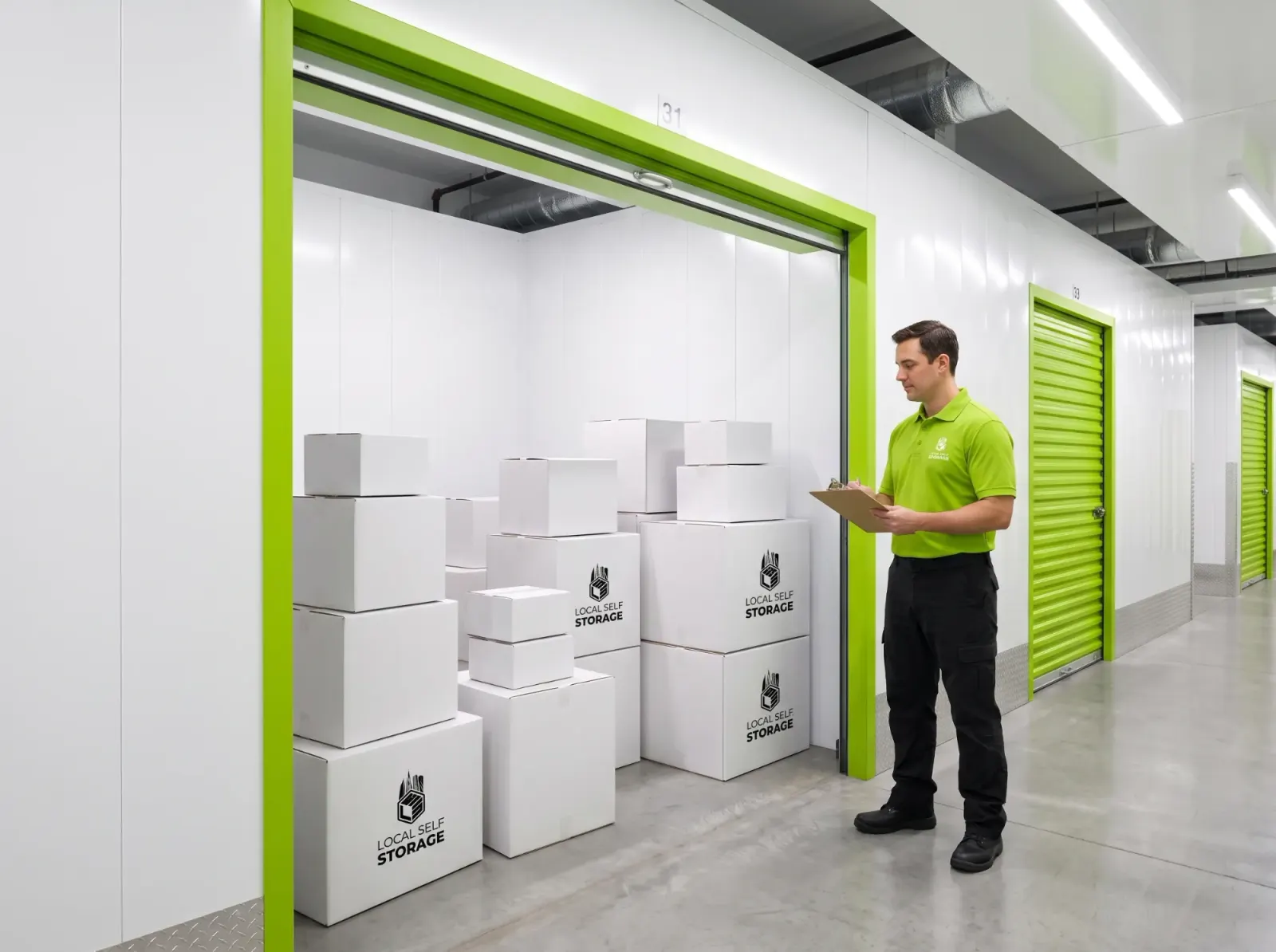
Sellers using online marketplaces may need space for reserve inventory, packaging supplies or products waiting to be transferred to a marketplace fulfilment centre.

Stock should be organised by SKU, product variation, batch or listing reference to reduce selection mistakes.

Social Media Sellers

Businesses selling through Instagram, TikTok, WhatsApp and other social platforms may experience sudden increases in orders after a successful campaign.

Storage provides additional room for new stock without permanently turning the home or office into a stockroom.

Retailers Expanding Online

Retail shops moving into online sales may need separate space for e-commerce inventory, promotional products and packaging materials. Keeping online and in-store stock clearly identified can make product counting and order preparation easier.

For wider commercial requirements, visit our business storage in Dubai page.

Importers and Small Distributors

Importers may need temporary storage while products are allocated to customers, retailers or different sales channels.

The exact product type must be disclosed before booking. Regulated, hazardous or temperature-sensitive goods may require specialist storage.

Inventory Storage for Growing Online Businesses

Online stock levels can change quickly during product launches, supplier deliveries, sales campaigns and seasonal demand. Flexible inventory storage can help a business manage these changes without immediately committing to a large warehouse or commercial property.

The selected space should consider both current stock and expected future deliveries. Choosing only for today's inventory may create another space problem after the next shipment.

Common Uses

When Online Sellers Need Extra Space

Storage for Product Launches

New products often arrive before listings, photography, advertising and order systems are ready. Temporary storage provides space for products, labels, inserts, cartons and promotional materials while launch preparation continues.

Inventory should be counted and inspected when it arrives so damaged cartons or missing quantities can be identified before sales begin.

Storage for Seasonal Stock

Online demand often increases during promotions, gifting periods and major sales campaigns. Seasonal storage allows sellers to hold additional inventory without paying for the same amount of space throughout the year.

After the campaign, review the remaining products and decide whether they should be sold, returned, transferred or removed.

Storage for Packaging Materials

Boxes, envelopes, labels, tissue paper and protective filling can take up considerable space even though they are lightweight.

Packaging supplies should be stored separately from saleable inventory and organised by size or type.

This makes reorder planning easier and prevents clean packaging from being damaged under heavy cartons.

What Products Can Be Stored?

Standard e-commerce storage may be suitable for approved clothing, accessories, books, packaged stationery, household products, gift items and selected consumer goods. Every product category should be disclosed before booking.

  • Approved clothing
  • Accessories
  • Books
  • Packaged stationery
  • Household products
  • Gift items
  • Selected consumer goods
  • Packaging materials

Products That May Need Specialist Storage

Food, medicines, supplements, aerosols, batteries, chemicals and regulated products may not be suitable for ordinary self-storage. If a product has an expiry date, safety data sheet or manufacturer storage instruction, provide that information before requesting a quote.

  • Perishable food
  • Pharmaceuticals
  • Certain cosmetics
  • Batteries and aerosols
  • Chemicals and fuels
  • Other hazardous materials
Inventory Method

How to Organise E-commerce Inventory

  1. Give Every Product a Clear SKU

    Each product, size, colour and variation should have its own stock keeping unit.

    A clear SKU system helps distinguish similar products and reduces mistakes during stock selection.

  2. Label Every Carton

    Each carton should show the SKU, product name, variation and quantity.

    General labels such as “mixed stock” become difficult to manage as the inventory grows.

  3. Keep Similar Products Together

    Arrange products by SKU, category, brand or sales channel.

    Fast-moving stock should remain easier to access, while reserve inventory can be stored more compactly.

  4. Record Every Stock Movement

    Update your stock record whenever products enter or leave storage.

    A spreadsheet may be sufficient for a small seller, while a growing company may require inventory-management software.

  5. Separate Stock by Condition

    Saleable products, returns, samples, damaged items and stock awaiting inspection should remain clearly separated.

    This prevents unsuitable products from being selected for customer orders.

Day to Day

Managing Stock Once It Is Stored

Planning Access to Your Stock

Consider how often you expect to retrieve inventory before selecting the storage arrangement.

A seller visiting several times each week may need clear walkways and accessible product sections. Reserve stock kept for several months may be arranged more compactly.

Confirm the access hours, notice requirements and authorised-user process before booking.

Receiving New Inventory

New deliveries should be planned before the supplier dispatches the stock.

Do not assume that products can be delivered directly to the storage facility unless this service has been confirmed.

When inventory arrives, check the carton count, inspect visible damage and update the stock record immediately.

Returns and Damaged Products

Returned products should not be placed directly back into saleable inventory.

Create a separate area for returns and inspect each item before deciding whether it can be resold, repaired, returned to the supplier or removed.

Damaged products should remain clearly labelled so they are not selected accidentally.

Options

Short-Term, Long-Term and Climate-Controlled

Short-Term E-commerce Storage

Short-term storage is suitable for product launches, promotional campaigns, seasonal demand, temporary stock increases and business moves.

Even temporary inventory should be labelled, counted and arranged properly.

Confirm the minimum storage period and extension conditions before booking.

Long-Term Inventory Storage

Long-term storage may suit reserve products, packaging supplies and stock with slower sales cycles.

Inventory should be reviewed regularly because products, packaging and customer demand can change over time.

Slow-moving stock should have a clear sales, return or removal plan rather than remaining forgotten in paid storage.

Climate-Controlled E-commerce Storage

Dubai's heat and humidity may affect textiles, leather goods, electronics, printed materials, cosmetics and some packaged products.

Climate-controlled storage may be considered for sensitive inventory or extended storage periods.

Availability and product suitability should be confirmed before booking. Controlled conditions do not make ordinary storage suitable for regulated or hazardous goods.

Security and Stock Access

Business inventory may represent a significant financial investment. Your business should also maintain an updated list of employees authorised to access or remove stock.

  • Entry controls
  • CCTV coverage
  • Fire precautions
  • Visitor process
  • Pest-control arrangements
  • Insurance responsibilities
Know the Difference

Is Self-Storage the Right Model?

Self-Storage or Fulfilment?

Self-storage provides space where your business manages its own products. The seller remains responsible for order processing, product selection, packing and customer delivery.

A fulfilment provider may receive stock, process orders, pick products, pack parcels and arrange dispatch. These services should not be assumed unless formally confirmed.

Self-Storage or a Commercial Warehouse?

Self-storage is usually suitable for businesses that mainly need space for boxed products and packaging materials.

A commercial warehouse may be more appropriate when the business requires pallet handling, regular truck access, industrial equipment, staff workstations or large-scale logistics operations.

The right option depends on stock volume and how the space will be used.

The Process

How Our E-commerce Storage Process Works

  1. Share Your Inventory Details

    Tell us what products you store, how many cartons you have and how long the space may be required.

    Include carton dimensions, product type, approximate value, access frequency and expected future deliveries.

  2. Review the Required Space

    We consider carton size, stacking strength, product fragility, shelving needs and access requirements.

    Frequently accessed stock may require more working room than sealed reserve inventory.

  3. Check the Quotation

    Review the recurring storage charge, collection costs, payment schedule, access conditions and notice period.

    Any transportation, shelving or handling services should be listed separately.

  4. Prepare and Label the Stock

    Count the products, create clear SKUs and label every carton before collection.

    Keep saleable products, returns, samples and damaged inventory separate.

  5. Arrange Collection or Delivery

    Provide accurate access information for your home, office or retail location.

    Supplier deliveries should not be sent directly to storage unless this has been agreed in advance.

  6. Maintain Your Inventory

    Record every product entering or leaving storage. Review stock levels regularly and reassess the space when your inventory changes.

How Much E-commerce Storage Space Do You Need?

The required space depends on carton dimensions, product volume, stacking limits and access frequency. A seller storing reserve stock may use a compact layout, while a business accessing several SKUs regularly may need aisles and clearly organised sections.

Consider your next supplier delivery as well as the stock currently available. Send carton measurements, photographs and expected growth information for a more accurate assessment.

Compare the available options in our storage unit size guide.

E-commerce Storage Prices in Dubai

E-commerce storage prices depend on the space required, rental period and selected services. Collection, transportation, shelving, handling, access frequency and controlled storage conditions may affect the final amount.

Request a written quotation showing the recurring storage charge and any one-time service costs.

Avoid These

Common E-commerce Storage Mistakes

Mixing Products Without SKUs
Similar products can easily be confused when they do not have separate references. Create a unique SKU for every variation.
Failing to Update Stock Counts
Inventory records become unreliable when products move without being recorded. Update quantities after every stock movement.
Mixing Returns With Saleable Inventory
Returned goods may be opened, incomplete or damaged. Inspect and separate them before changing their status.
Choosing Space for Current Stock Only
A storage space may become too small after the next supplier delivery. Consider expected stock growth before booking.
Storing Restricted Products
Some goods require specialist facilities, approvals or controlled conditions. Disclose the exact product type before moving inventory.
Keeping Dead Stock Indefinitely
Slow-moving products continue to use paid storage space. Review them regularly and create a clearance, return or disposal plan.
Assuming Fulfilment Is Included
Storage does not automatically include picking, packing or customer delivery. Confirm every additional service in writing.
Why Us

Why Choose Local Self Storage Dubai?

Storage Based on Your Inventory

We consider the product type, carton dimensions, stock volume and access needs before discussing the space.

Support for Growing Sellers

The service may suit home-based shops, marketplace sellers, social media businesses and retailers expanding online.

Short and Extended Storage

Use additional space during a product launch, sales campaign, seasonal period or longer stage of growth.

Clear Service Boundaries

We explain the difference between self-storage, fulfilment and commercial warehousing.

Related Business Storage

E-commerce storage can be combined with business storage when you also need space for equipment, furniture or documents.

Practical Inventory Planning

We encourage clear SKUs, carton labels, stock categories and updated inventory records before products enter storage.

How to Book E-commerce Storage in Dubai

Send Local Self Storage Dubai your product type, carton count, measurements, photographs and preferred storage period.

Mention how often you expect to access the stock and whether future supplier deliveries are planned. We will review the space and service requirements before providing a written quotation.

FAQs

Frequently Asked Questions

Is e-commerce storage suitable for a small online shop?

Yes. It may support a home-based seller or a growing online business, depending on the product type and required space.

Can I store marketplace inventory?

Approved products may be stored, but the seller remains responsible for meeting marketplace and fulfilment requirements.

Do you pick and pack customer orders?

Picking and packing should not be assumed. Confirm whether any additional services are available before booking.

Can suppliers deliver directly to storage?

Direct supplier deliveries must be agreed in advance. Do not send inventory to the facility without confirmation.

Can I access my inventory regularly?

Access depends on the selected arrangement. Discuss your expected visit frequency before choosing the space.

Can I store clothing and accessories?

Approved clothing and accessories may be suitable when clean, dry and packed correctly.

Can I store food, cosmetics or supplements?

These products may require specialist conditions or approvals. Disclose the exact product before booking.

Is climate-controlled storage available?

Controlled conditions may be available under certain arrangements. Confirm availability and product suitability.

Can I increase the space as my business grows?

The storage arrangement may be reviewed when inventory increases, subject to availability and pricing.

How should I label my inventory?

Each carton should show the SKU, product name, variation and quantity.

How can I receive an accurate quote?

Send your product type, carton count, dimensions, photographs, storage period and expected access frequency.

Give Your Online Business Room to Grow

Move products and packaging materials out of your home without committing to a large commercial warehouse. Share your inventory details with Local Self Storage Dubai to receive a suitable storage recommendation and written quotation.